Most vintage lure guides start by asking whether your lure is wood. For Rebel, that question doesn't apply. The company was built on plastic from the beginning, so identifying a Rebel is about reading model names and codes, then pricing from real sales.
A short history, with the source
The brand history on USLures gives the essentials. Rebel Lures was founded in 1962 by George Perryman and P.H. Bidwell and was based in Fort Smith, Arkansas. The same year it released the Rebel Minnow, which USLures describes as the first mass-produced plastic imitation of a small baitfish and the first successful crankbait made from injection-molded plastic.
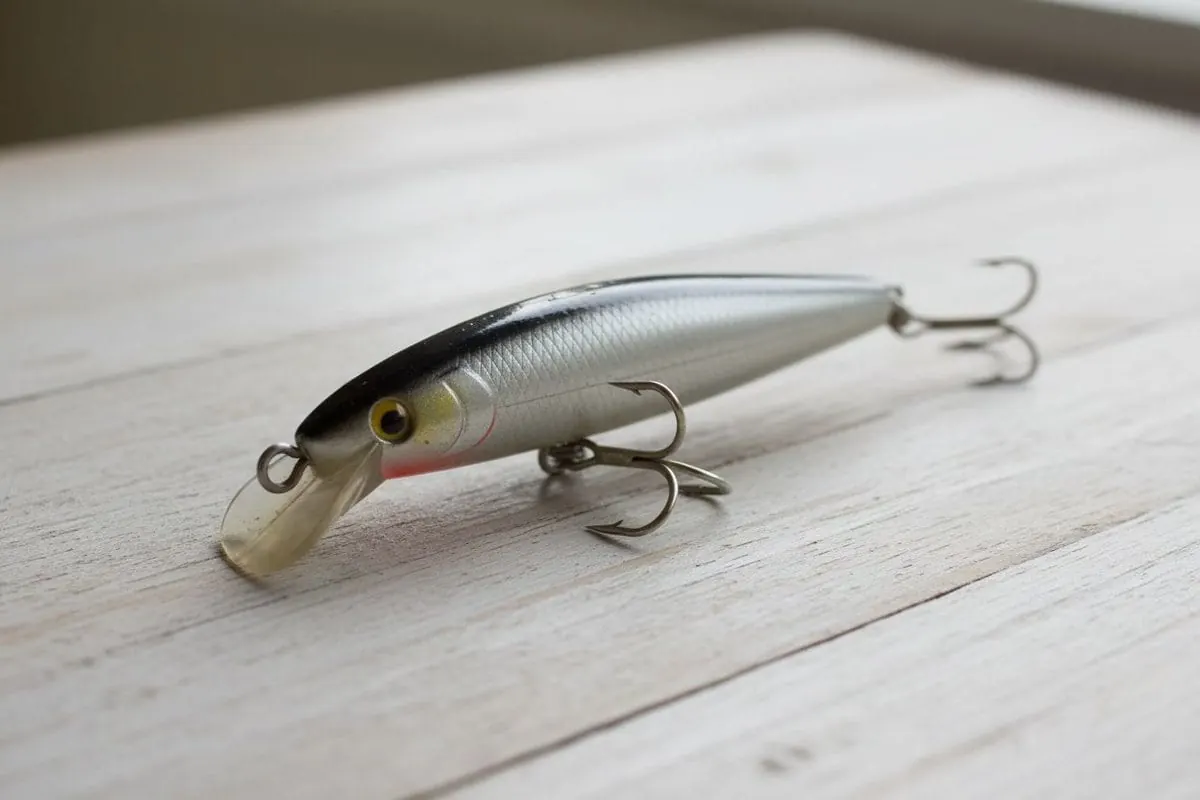
The idea, as USLures tells it, was a cheaper and tougher alternative to the expensive, fragile wooden minnows of the time. The Minnow has a slender baitfish shape, a small lip that keeps it shallow, and a tighter wiggle than many wooden minnows. Rebel is now part of PRADCO Outdoor Brands, the same group that owns Heddon and Bomber, and the Minnow is still sold worldwide.
Why there's no wooden Rebel to chase
With brands like Heddon or Creek Chub, the biggest value split is wood versus plastic. Rebel skips that step. Every Rebel is plastic, so the things that separate one Rebel from another are:
- The model and code, which tell a buyer exactly which lure it is.
- The packaging, which dates a lure better than the lure itself.
- The color, since some finishes were made in far smaller numbers than others.
- Condition, especially whether it was ever fished.
If you're used to wooden lures, adjust your expectations. Plastic survives well and was made in volume, so condition and packaging matter more here than age alone.
Model names you'll see
These names come straight from vintage Rebel listings on USLures. Use them as written when you search, including the code.
| Name as listed | What to check when you identify it |
|---|---|
| Floater F9, Floater F12 | The code printed on the lure or package |
| Floater F12 Jointed | Two-piece body, same code as the straight version |
| Floater Spoonbill Minnow F14 Jointed | The long spoonbill lip, jointed body |
| Fastrac F12, Fastrac Wee R | The Fastrac name on the package |
| Wee-Crawfish | Crawfish shape and size |
| Double Deep Shad | Shad body with a deep-running lip |
| Super R, Arrowhead, Bumble Bug | Body shape against photographed examples |
Finish names matter too. Listings include variants such as "G-Finish" and glow colors, and buyers looking for a particular finish search for it by name. If you don't know the finish name, describe the colors plainly and include clear photos.
Dating a Rebel without wood to help
Since the body material never changed, use these clues together:
- Packaging. Card and box designs changed over the decades. A lure still on its original card is the easiest Rebel to place, so never open it.
- Markings. Look for the Rebel name and any code on the lip, belly or side. Compare the style against dated, packaged examples in sold listings.
- Hardware and hooks. Dull, older hooks with wear that matches the body point to an older lure; bright new hooks on a worn body point to replacements.
- Finish. Some finishes belong to specific periods. Matching yours to packaged examples is more reliable than guessing.
The general method for any brand is in our guide to identifying old fishing lures.
Selling a box of Rebels
- Pull out anything still carded or boxed. Those get their own listings.
- Group the loose lures by model and code using the table above.
- Set aside unusual finishes and less common models for a closer look in sold listings.
- Sell fished, common minnows to anglers in lots. They move fast.
- Don't swap hooks or clean beyond a damp cloth. Original is what collectors pay for, even on plastic.
How to price a Rebel
We don't publish price ranges. Most Rebels are common fishing lures, and the few that aren't are separated by details only completed sales capture. The method:
- Write the full name: "Rebel Floater F12 Jointed" plus the finish.
- Search eBay with the Sold Items filter on.
- Keep only sold examples in the same condition: carded, boxed, loose unfished or fished.
- Use three to five matches, not one.
| Factor | Helps | Hurts |
|---|---|---|
| Packaging | Sealed on the original card or in the box | Loose |
| Condition | Unfished, no hook rash | Tooth marks, chipped lip, faded finish |
| Color or finish | Uncommon finishes | Common colors made in volume |
| Model | Less common models | The most widely sold minnows |
| Quantity | Dealer cards, store stock | Mixed lots of loose lures |
For a box of loose, fished Rebels, sell to anglers in lots. They want them to fish. Keep carded and unusual ones separate. The broader pattern is explained in old fishing lures worth money.
When you can't name the model
Loose Rebels with worn markings are common. Two references help. The USLures Rebel catalog shows photographed examples under their model names, so you can match body shape, lip and finish side by side. For anything that still doesn't match, the National Fishing Lure Collectors Club is where experienced collectors answer identification questions. Name it first, then price it; a wrong name sends you to the wrong sold listings.
Common mistakes with Rebels
- Opening carded lures. A sealed card is the main thing that lifts a common Rebel above fishing tackle. Leave it shut.
- Dropping the code. "Rebel minnow" covers several different lures. Include the code and whether it's jointed.
- Ignoring the lip. A cracked or chipped lip ruins the action and the value. Photograph it close up.
- Pricing from asking prices. Active listings show what sellers hope for. Sold listings show what buyers pay.
- Splitting a dealer card. Store stock and dealer cards sell better complete than as loose lures.
Fishing a Rebel Minnow
The Minnow's small lip keeps it shallow, which makes it two lures in one. Twitch it on the surface with pauses and it acts like a wounded baitfish. Reel it steadily and it dives a short way and swims with a tight wiggle. Jointed versions swim with more side to side movement at slow speeds. Light line helps it cast and lets it work naturally.
If the lip is cracked or chipped, the lure may run off to one side or roll. That's a fishing problem and a value problem, so check the lip before you buy a used one to fish or to collect.
Caring for old plastic
Plastic Rebels are tough, but old finishes scratch and soft plastic worms left in the same tackle box can fuse to them and eat into the paint. Wipe with a barely damp cloth, dry right away, and store them apart from soft plastics. Our cleaning notes has the details.
Rebel's neighbors in a tackle box
Rebel shares an owner with two brands we cover in detail. Bomber, also a PRADCO brand, started as a wooden lure maker in Texas, which makes its older lures a different kind of collectible; see our Bomber notes. Heddon is the classic wooden-era maker; start with the Heddon guide. For the families of lures you might find alongside your Rebels, see fishing lure types explained.